No Matter Who's President, Jesus Is King: Finding Peace Beyond Politics
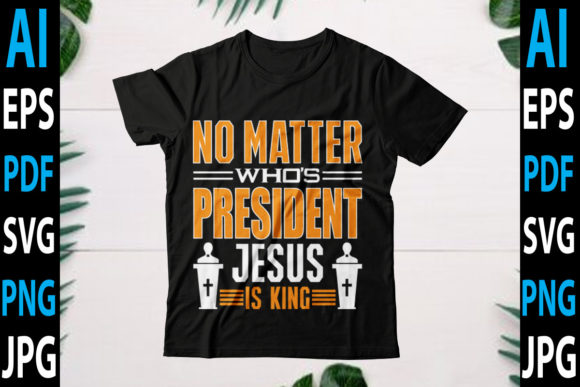
In an era of intense political division and media saturation, many people find themselves emotionally exhausted by the constant cycle of elections, policy debates, and partisan conflict. Whether you feel hopeful, anxious, or disillusioned after every election cycle, a growing number of believers have turned to a simple yet profound declaration: No matter who's president, Jesus is King. This statement isn't just a catchy slogan—it's a theological anchor that offers perspective, peace, and purpose regardless of who holds political power. In this article, we'll explore what this phrase truly means, why it matters, and how it can reshape your daily life, work, and relationships.
Understanding the Declaration: What Does "Jesus Is King" Really Mean?
At its core, the phrase "Jesus is King" is a confession of faith that Jesus Christ holds ultimate authority over all creation. This isn't merely a religious sentiment; it is a claim about the structure of reality itself. In Christian theology, kingship implies sovereignty, rule, and dominion. When believers say Jesus is King, they are affirming that His authority transcends every earthly government, institution, and leader.
This concept is rooted in biblical texts such as Revelation 19:16, which describes Jesus as "King of kings and Lord of lords." It echoes the ancient proclamation that despite the rise and fall of empires—from Babylon to Rome to modern nation-states—God's kingdom remains unshaken. The declaration serves as a reminder that political leaders are temporary stewards, but Christ's reign is eternal.
For many, this is not a rejection of civic engagement but rather a reordering of priorities. It allows believers to participate in democracy without placing their ultimate hope in any candidate or party. As one pastor put it, "You can vote like your vote matters, but you don't have to live like your vote is all that matters."
The Historical Roots of the Phrase
While the exact wording "No matter who's president, Jesus is King" has gained popularity in recent years, the underlying idea is ancient. Early Christians lived under Roman rule, where emperors demanded divine honors. Their refusal to call Caesar "Lord" in the ultimate sense led to persecution. They understood that acknowledging Jesus as King meant relativizing all other claims to ultimate authority.
Throughout church history, believers have navigated various political systems—monarchies, dictatorships, democracies—while holding fast to the conviction that God's kingdom is not of this world. The contemporary reemphasis of this message speaks to a specific modern need: finding stability in a polarized political climate.
Why This Message Matters Now More Than Ever
Political anxiety is at an all-time high. Studies show that many people experience significant stress related to news consumption and election outcomes. This is where the "Jesus is King" declaration offers a practical remedy. It doesn't dismiss real-world concerns, but it reframes them within a larger, hope-filled narrative.
Consider the following ways this perspective can transform your outlook:
- It reduces fear of political outcomes. No election result can ultimately threaten God's sovereign plan. This doesn't mean we ignore injustice, but it frees us from paralyzing dread.
- It prevents idolatry of leaders. When we place excessive hope in a president or party, we set ourselves up for disappointment. Recognizing Jesus as King helps keep political figures in proper perspective.
- It unifies believers across divides. Christians of different political persuasions can gather around the shared confession that Christ reigns, fostering genuine fellowship beyond partisan lines.
- It inspires faithful citizenship. Paradoxically, those who believe Jesus is King often become the most engaged and compassionate citizens, because they see political work as service to God rather than a quest for power.
Common Misunderstandings Addressed
Some critics argue that focusing on Jesus as King encourages passivity or withdrawal from civic life. But this misses the point. The early church, while refusing to worship Caesar, was known for its charitable works, care for the poor, and ethical influence on society. Biblical kingship is not about escaping the world but about engaging it from a different foundation.
Others worry that the phrase is used to dismiss legitimate political concerns. However, most proponents emphasize that it's not about ignoring politics but about keeping it in its proper place. As the saying goes, "Jesus is King" is not a political statement—it's a meta-political statement that puts all human authority under divine authority.
Applying the Principle in Everyday Life
How does this belief actually function in daily routines, work, and relationships? Let's break it down into practical areas.
In Your Personal Mindset
Start your day by reminding yourself that no news headline has the final word. This doesn't mean ignoring current events, but it means approaching them with a grounded spirit. Instead of checking social media first thing in the morning, many believers find it helpful to pray or meditate on the reality of Christ's kingship. This simple practice can shift your internal posture from anxiety to trust.
When you feel overwhelmed by political debates, pause and ask: "Does this issue ultimately threaten God's kingdom?" Usually, the answer is no. That doesn't make the issue unimportant, but it does help you respond with wisdom rather than panic.
In Your Work and Business
In professional settings, the "Jesus is King" framework can shape how you lead and collaborate. If you believe ultimate authority belongs to Christ, you are freed from the need to grasp power or manipulate others for career gain. You can lead with humility, serve your colleagues, and make ethical decisions even when they're unpopular.
For business owners, this might mean prioritizing fair wages, honest marketing, and sustainable practices over short-term profit. It means seeing your enterprise as part of God's kingdom work, not just a vehicle for personal wealth. As one entrepreneur explained, "I run my business as unto the Lord, not for the approval of any earthly power."
In Education and Learning
Students and educators can also draw on this principle. If Jesus is King, then all truth—whether in science, history, or the arts—ultimately points back to Him. This doesn't mean rejecting academic rigor, but it does mean approaching learning with curiosity and wonder, knowing that the universe is not a closed system but a creation under divine governance.
For parents educating children at home or in school, this perspective can help them teach critical thinking alongside faith. Children can learn to evaluate political rhetoric, media bias, and cultural narratives through the lens of biblical truth rather than partisan loyalty.
In Technology and Media Consumption
One of the most practical applications is in how we use technology. The constant stream of news, opinion pieces, and social media arguments can easily consume our attention and emotions. Believing Jesus is King means we don't have to be slaves to the algorithm. We can set boundaries—turning off notifications, limiting news intake, and choosing sources that inform rather than inflame.
Consider creating a "media diet" that prioritizes content which builds understanding and compassion rather than outrage. This helps you stay informed without being consumed by the emotional rollercoaster of political cycles.
The Deeper Purpose: Living as Citizens of Two Kingdoms
Christian theology often speaks of the "already but not yet" nature of God's kingdom. Jesus is already King, but His rule is not yet fully realized on earth. This creates a dynamic tension: believers are called to be good citizens of their earthly nations while also representing a higher kingdom.
This dual citizenship has profound implications. It means you can love your country without idolizing it. You can critique its failures without despairing. You can work for justice without believing you can create utopia. As St. Augustine wrote in The City of God, the earthly city and the heavenly city are interwoven, but their ultimate destinies are different.
In practical terms, this looks like:
- Praying for leaders regardless of whether you voted for them.
- Serving your community through local charities, churches, or civic organizations.
- Speaking truth to power with grace and courage, knowing that God is the ultimate judge.
- Forgiving political enemies as an act of witness to a divided world.
Clarifying the Balance: Engagement Without Despair
A common question is: "Does believing Jesus is King mean I shouldn't care about politics?" Absolutely not. The Bible is full of commands to seek justice, care for the poor, and love your neighbor. Politics is one arena where these commands can be lived out. The key is how you engage.
When you believe Jesus is King, you are freed from the burden of thinking that the fate of the world rests on one election or one leader. You can advocate for policies you believe are just without demonizing those who disagree. You can vote enthusiastically without becoming anxious about the outcome. You can participate in the political process as an act of stewardship, not as a source of identity.
Think of it like this: a professional athlete competes with full effort, but their identity and worth do not depend on winning every game. Similarly, a Christian can engage in politics passionately, but their ultimate security and hope remain in Christ's unchanging reign.
Real-World Example: A Divided Family
Imagine a family where parents and adult children hold opposing political views. In many households, this leads to tension, silence, or even estrangement. But families that embrace the "Jesus is King" principle can find common ground. They may disagree on policies, but they can agree that Christ is Lord over both sides. This allows them to maintain relationship, listen to each other, and even pray together across the aisle.
One family shared how they started a tradition: before any political discussion, they say aloud together, "No matter who's president, Jesus is King." This simple practice defuses tension and reminds them of their shared identity. It doesn't erase their differences, but it prevents those differences from becoming ultimate.
Conclusion: An Anchor for Restless Times
In a world where political loyalties often divide families, workplaces, and churches, the declaration that "No matter who's president, Jesus is King" offers a path toward peace and perspective. It is not a call to withdraw from society but to engage it from a place of deep security. It reminds us that while presidents come and go, administrations change, and nations rise and fall, the kingdom of God stands forever.
For anyone feeling weary from the constant churn of political news, this message offers rest for the soul. It invites you to lift your eyes beyond the latest poll or pundit's opinion and fix them on the one whose throne is unshakable. Whether you are a seasoned believer or simply exploring what faith might mean in turbulent times, consider what it would look like to let this truth shape your daily life. You might find that it doesn't make you care less about the world—it makes you care more, but with a hope that cannot be defeated.
Ultimately, the phrase is more than a slogan; it is a lifeline. In a culture that constantly tells us that everything depends on the next election, the gospel whispers an enduring truth: the King is already on His throne, and His reign is one of justice, mercy, and everlasting love. No matter who sits in the White House, that remains the most important reality of all.