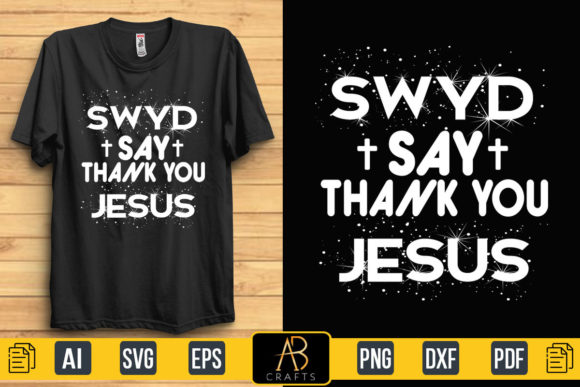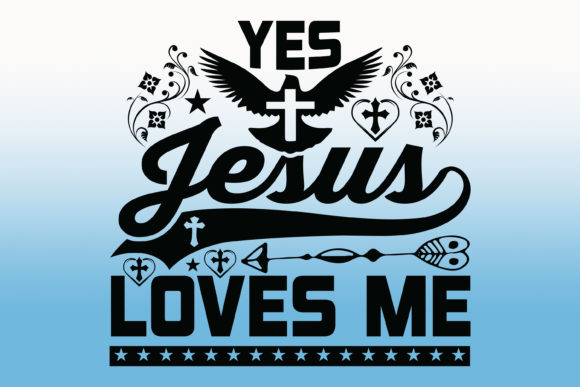
Jesus Loves Me Bible Verse T-Shirt Design: What to Know Before You Buy or Create
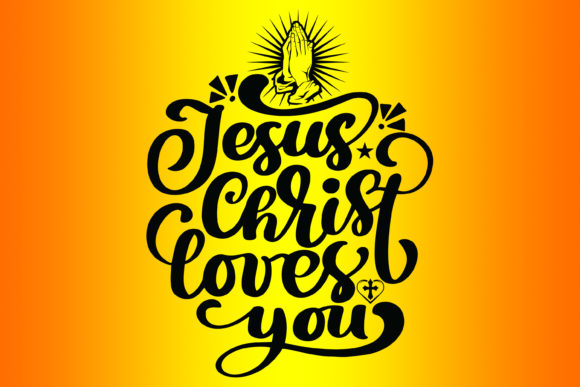
Wearing your faith on your sleeve—or across your chest—has never been more popular. A Jesus Loves Me Bible verse T-shirt design does more than make a fashion statement; it becomes a conversation starter, a comfort to the wearer, and sometimes even a gentle witness to those who see it. But not every design accomplishes that well. Whether you are shopping for one or creating your own, the difference between a shirt that resonates and one that misses the mark often comes down to a handful of practical choices. This article walks through the most common pitfalls and offers straightforward ways to avoid them.
Why a Simple Message Deserves Thoughtful Design
The phrase “Jesus Loves Me” carries deep meaning for millions of people. It is simple, familiar, and emotionally powerful. Pairing it with a Bible verse on a T-shirt can turn a basic garment into a personal statement of faith. However, the very simplicity of the message can lead people to overlook important design and quality details. A rushed design or a poorly made shirt can undermine the message you want to share.
People interested in these designs include a wide range of individuals: a youth group leader looking for custom shirts, a small business owner hoping to sell faith-based apparel, a parent ordering a gift, or a blogger creating merchandise for an audience. Each of these scenarios calls for different considerations, but several mistakes cut across them all.
Mistake #1: Choosing a Verse Without Considering Readability
The most common error is picking a Bible verse that looks great on paper but becomes nearly unreadable on a T-shirt. Long verses, complex references, or passages with unusual names or archaic language can make the text hard to scan at a glance. Someone walking past you in a hallway has only a second or two to read the shirt. If the verse requires effort to parse, the message is lost.
Better approach: Choose a verse that is short, recognizable, and visually balanced. Verses like John 3:16, Romans 8:38-39, or 1 John 4:19 work well because they pair naturally with the “Jesus Loves Me” sentiment. Keep the reference clear but unobtrusive. If you want to use a less common verse, consider paraphrasing it in modern language while still noting the reference. The goal is clarity at a glance, not a theological essay on cotton.
Mistake #2: Overcrowding the Design with Too Many Elements
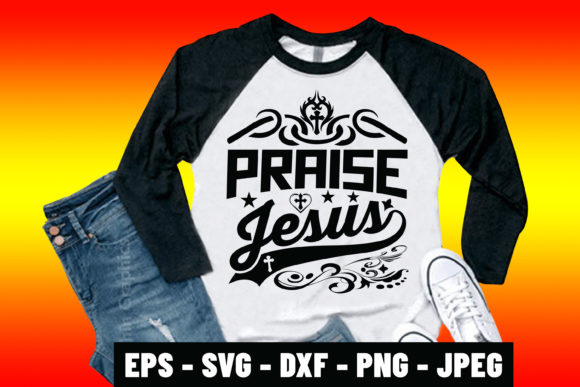
It is tempting to add extra symbols, crosses, hearts, floral borders, or multiple font styles. More visual elements do not make a design more meaningful. In fact, they often make the shirt look cluttered and cheap. When too many competing elements fight for attention, the core message gets buried.
Better approach: Start with one central element. That could be the verse text itself, a simple cross, or a subtle heart motif. Let that element breathe. Use negative space to give the design room to work. A clean, minimal layout not only looks more professional but also makes the shirt more wearable across different settings. A person should be able to read the message from across a room without squinting or mentally untangling multiple graphics.
Mistake #3: Ignoring the Shirt Quality and Fabric
The design is only half the equation. The shirt itself matters just as much. A high-quality design printed on a thin, scratchy, or poorly fitted T-shirt will never look or feel right. Many buyers focus entirely on the artwork and forget to check fabric weight, blend, and construction. A shirt that pills after one wash or shrinks in the dryer will ruin even the best design.
Better approach: Look for shirts made from 100% cotton or a cotton-polyester blend with a weight of at least 4.5 ounces per square yard. Pre-shrunk fabrics are ideal. If you are creating designs for sale, order samples from your printer before committing to a bulk run. Feel the fabric, check the stitching around the collar and sleeves, and wash it according to the label. A shirt that holds up well becomes a favorite, which means more visibility for your message.
Mistake #4: Using Fonts That Undermine the Message
Font choice is not just a stylistic decision. It directly affects the tone and readability of the design. A heavy gothic font might feel solemn and traditional, while a playful script might read as casual or even childish. Neither is inherently wrong, but each suits a different audience and context. The problem arises when the font style conflicts with the message. A verse about God’s unconditional love set in a harsh, angular typeface sends mixed signals.
Better approach: Match the font to the emotional tone of the verse. For a warm, welcoming message like “Jesus Loves Me,” consider soft serif fonts, rounded sans-serifs, or gentle handwritten styles. Avoid fonts that are overly ornate or difficult to read at a distance. Test the design at actual size by printing a mockup or using a design tool with a 1:1 preview. If you squint to read the text, the font is not working.
Mistake #5: Placing the Design in the Wrong Location
Not all T-shirt design placements are equal. A design centered high on the chest works well for most adult body types, but lower placements can get lost behind a jacket, a bag strap, or even the natural curve of the torso. Sleeve designs can be effective for short verses or small logos, but they limit the amount of text you can use. Back designs are great for full verses but are less visible in casual conversation.
Better approach: For a Bible verse shirt, the classic front-center chest placement remains the most versatile. It is visible, balanced, and works for both genders and most body shapes. If you want a second location, consider a small reference or symbol on the sleeve, but keep the main message front and center. Always test the placement on a real person or a realistic mockup, not just a flat digital image.
Mistake #6: Ignoring the Audience and Context
A design that works for a youth retreat may not suit a church service or a casual family gathering. Similarly, a design intended for children should use different colors, fonts, and imagery than one aimed at adults. Many creators make the mistake of designing for themselves without considering who will actually wear or see the shirt.
Better approach: Define the audience before you start designing. Ask yourself who will wear this shirt and where. If it is for a small group with a specific theme, let that theme guide your choices. If it is for general sale, aim for a design that feels inclusive across ages and settings. Neutral colors like navy, heather gray, or forest green tend to appeal broadly and pair well with faith-based messages. Avoid overly trendy design elements that may look dated in a year.
Mistake #7: Forgetting About Color Contrast
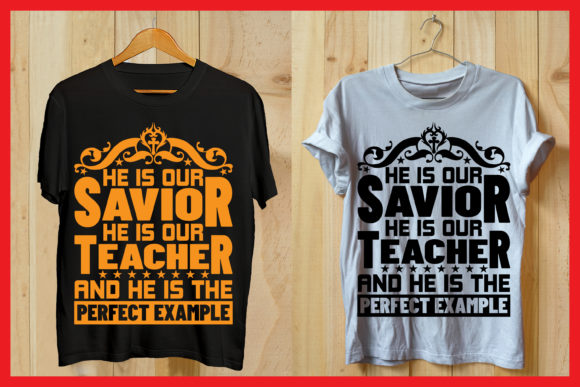
Even a beautiful design fails if the contrast between the text and the shirt background is too low. Light text on a light shirt, or dark text on a dark shirt, makes the message hard to read. This is especially problematic for outdoor events or low-light settings where the shirt needs to be legible from a distance.
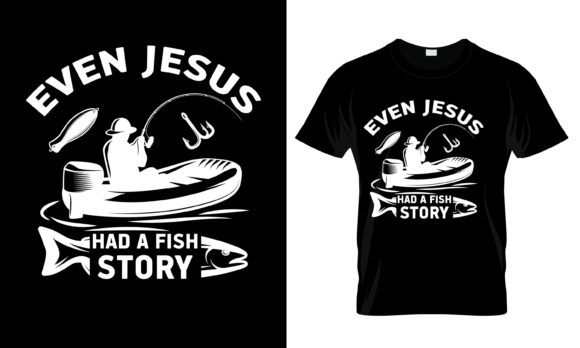
Better approach: Use high-contrast combinations. White or light-colored text works well on navy, black, burgundy, or dark green. Black or dark text reads clearly on white, light gray, pastel, or soft yellow backgrounds. If you want to use a colored shirt with a colored text, test the combination under real lighting conditions. A simple rule: if you have to adjust your screen brightness to read it, the contrast is too low.
What to Check Before You Buy or Print
Whether you are purchasing a single shirt or ordering a batch for a group, take a few minutes to verify these details before committing.
- Print method: Screen printing offers durability for large orders, while DTG (direct-to-garment) works well for small batches or full-color designs. Heat transfers can peel over time if not applied correctly. Ask the printer what method they use and how it holds up after washing.
- Size and fit: Look at the size chart, not just the tag. Unisex shirts fit differently than women’s or youth cuts. If you are buying for a group, order a range of sizes and check the fit on different body types.
- Care instructions: A good shirt should survive a standard machine wash and dry cycle. Avoid designs that require hand washing or air drying unless you are prepared for that upkeep.
- Design file quality: If you are submitting your own design, use a vector file or a high-resolution PNG with a transparent background. Low-resolution images will look blurry when printed. Minimum 300 DPI at actual print size is a reliable standard.
- Licensing and copyright: If you are selling shirts with Bible verses, remember that the text of most Bible translations is copyrighted. Check the usage terms for the translation you are quoting. Some translations allow limited use, while others require permission or payment.
Realistic Example: From Mistake to Improvement
Imagine a small business owner who wants to sell a shirt with 1 Corinthians 13:4-7, a popular passage about love. The first draft includes the full seven verses in a narrow cursive font, centered on a pastel pink shirt, with a small heart graphic in the corner. The verse is long, the font is hard to read, and the heart adds clutter.
A better version uses just the first part of the verse—“Love is patient, love is kind”—in a clean serif font on a heather gray shirt, with the reference “1 Corinthians 13:4” underneath in a smaller size. The contrast is clear, the text is readable, and the shirt feels timeless rather than trendy. The message is still faithful to the scripture, but it is now wearable and accessible.
Final Thoughts on Jesus Loves Me Bible Verse T-Shirt Design
Creating or choosing a Jesus Loves Me Bible verse T-shirt design is an opportunity to share something meaningful in a way that feels personal and approachable. The best designs respect both the message and the medium. They prioritize readability, fit, and durability over decoration. They consider the person who will wear the shirt and the settings where it will be seen.
Avoiding these common mistakes does not require advanced design skills or a big budget. It simply requires paying attention to the details that make a shirt effective and enjoyable to wear. When you get it right, a simple T-shirt becomes something more: a quiet reminder of a truth that matters.